


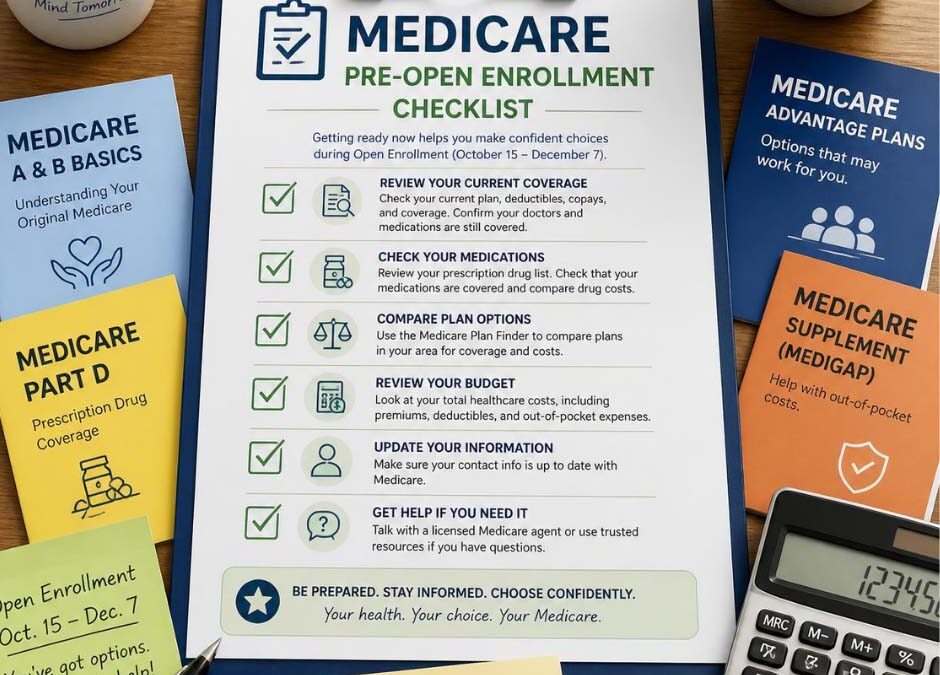
Autumn brings Medicare Open Enrollment, which runs annually from October 15 through December 7. This dedicated window allows beneficiaries to review their healthcare coverage and make adjustments that take effect on January 1 of the following year.
Healthcare needs, prescription formulations, and insurance plan structures shift constantly. Waiting until the enrollment window opens to evaluate options frequently leads to rushed decisions or overlooked details. Taking a few proactive steps during late summer keeps the transition smooth and predictable.
- Review the Annual Notice of Change (ANOC)
Current Medicare Advantage and Part D prescription drug plan participants receive an official Annual Notice of Change document in September. Reading this statement carefully is the single most important step in preparing for open enrollment.
-
- Premium and Deductible Shifts: Look specifically for adjustments to monthly premium amounts, annual deductibles, and maximum out-of-pocket limits.
- Coverage Alterations: Check if the plan is removing specific benefits, changing co-payment amounts for doctor visits, or altering prior authorization rules.
- Verify Prescription Drug Formularies
Insurance companies adjust their formularies—the tier system that dictates how much a specific medication costs—every single year. A drug that sits in an affordable tier today might move to a high-cost tier next year.
-
- Gather Current Medications: Create an exact list of all current prescriptions, including precise dosages and frequencies.
- Check the Tiers: Compare this list against the upcoming year’s plan documents to see if a medication moved tiers or now requires special approvals from a physician.
- Pharmacy Networks: Confirm whether your preferred local pharmacy remains a preferred in-network provider, as using an out-of-network pharmacy significantly raises costs.
- Check Medical Provider Networks
Medicare Advantage plans rely on specific networks of doctors, specialists, hospitals, and clinics. Healthcare providers move in and out of these insurance networks throughout the year.
-
- Confirm Specialist Status: Call current primary physicians and specialists to ask directly if they will continue participating in your specific plan network next year.
- Plan for Care Transitions: If a critical doctor is leaving a network, open enrollment offers the opportunity to switch to a plan that keeps that provider accessible.
- Evaluate Healthcare Usage Patterns
Take time to review total healthcare usage over the past six to twelve months. Personal health status changes, and an insurance plan that worked well in the past might no longer align with current physical needs.
-
- Frequency of Visits: If medical appointments or specialist consultations increased recently, a plan with lower co-payments and a higher monthly premium might save money overall.
- Upcoming Procedures: Plan ahead for scheduled surgeries, physical therapy needs, or diagnostic testing by selecting a plan structure that offers strong coverage for those specific services.
- Assess Ancillary Benefits
Medicare Advantage plans frequently include extra benefits that standard Medicare does not cover, such as dental care, vision exams, hearing aids, or fitness memberships.
-
- Compare the Extras: Look closely at the limits of these extra benefits. A plan might offer lower premium costs but significantly reduce dental allowances or vision hardware reimbursements.
- Align with Lifestyle Needs: Prioritize the specific ancillary benefits that see the most regular use, ensuring the chosen plan maximizes value in those specific areas.
The Bottom Line: Medicare plans rarely remain static from year to year. A strategy that worked beautifully this year could introduce unexpected out-of-pocket expenses next year. Partnering with an independent agent allows you to compare multiple plan structures side-by-side, ensuring your coverage matches your exact health trajectory and budget before the enrollment window locks in choices for the year ahead.